Systematic Testing
Multi-stage testing using calibrated measurement tools for accurate detection.
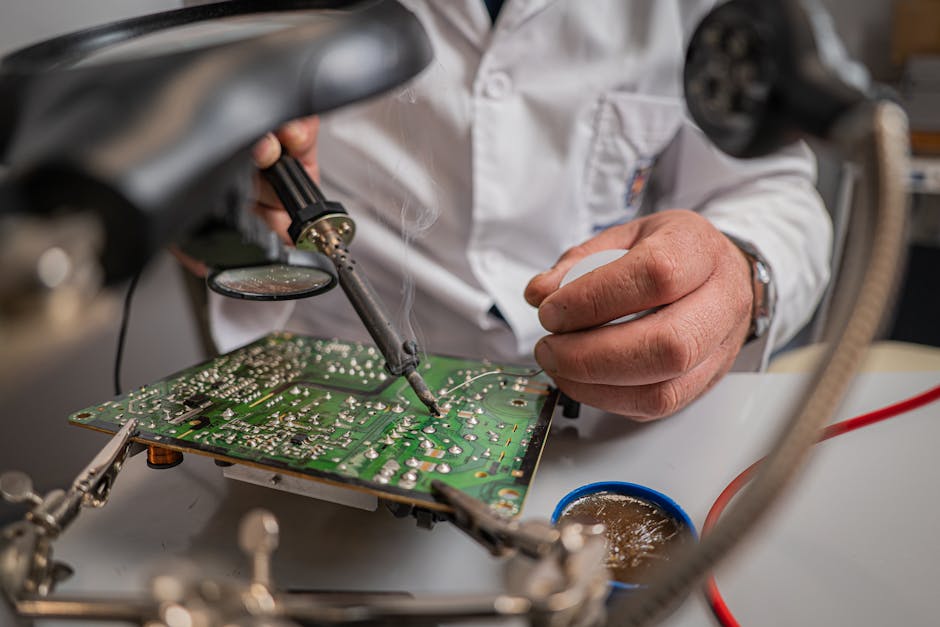
Our process begins with a thorough diagnostic assessment of your device. Following inspection, we apply controlled soldering techniques and replace faulty components using appropriate tools and materials. Every step is documented for transparency. Schedule a consultation to discuss your specific repair needs.
Book a Diagnostic AppointmentDiagnostics at FixWave start with a systematic evaluation of the device's electrical pathways. Using multimeters and oscilloscopes, we measure voltage, continuity, and signal integrity. This step identifies components that may require re-soldering or replacement. We then present a detailed report outlining the findings and recommended next steps, allowing you to make an informed decision before any work begins.
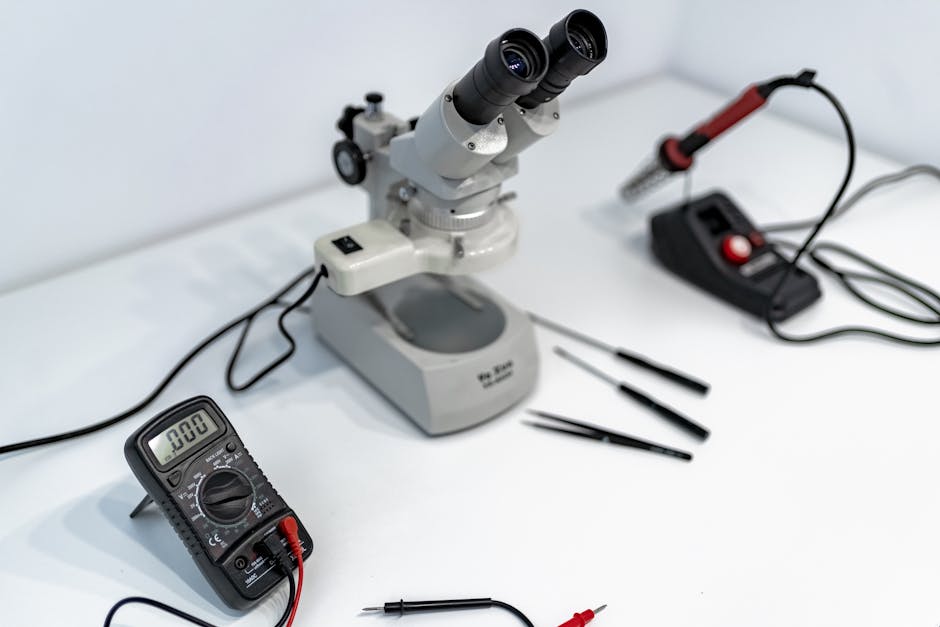
Multi-stage testing using calibrated measurement tools for accurate detection.
Temperature-regulated soldering stations reduce risk of thermal damage.
Each replacement part is tested before and after installation for compatibility.
Step-by-step records provided so you understand every action taken.
Soldering is a method of joining electronic components to circuit boards using heated solder. At FixWave, we employ lead-free solder alloys and controlled tip temperatures to create reliable connections while minimizing thermal stress. When a component is replaced, the old solder is removed via desoldering wick or vacuum, the new part is positioned, and fresh solder is applied. Post-replacement continuity checks ensure the joint meets operational standards.
The diagnostic report was clear and detailed. They explained exactly which capacitor needed replacement and why. No surprises.
My laptop wouldn't power on. They identified a faulty voltage regulator and re-soldered it. Working perfectly now, no issues.
I appreciated the transparency about the soldering procedure. They showed me the before and after photos of the work.
Each repair at FixWave follows a structured workflow. First, the device undergoes a visual inspection for obvious damage like burned components or swollen capacitors. Next, electrical diagnostics using a multimeter and oscilloscope pinpoint shorts, opens, or irregular readings. If soldering is required, the board is cleaned with isopropyl alcohol, flux is applied, and the soldering iron is set to the appropriate temperature for the component type. After soldering, we perform a functional test of the repaired circuit and a full device reassembly check. Component replacement may involve ordering exact-match parts from verified suppliers; we only install components that meet original specifications. The entire process is logged and shared with the client upon request. This systematic approach helps reduce variability and ensures consistent methodology across different devices and fault types.
Have a device that needs diagnostics or component work? Fill out the form below and we’ll schedule a consultation to discuss your repair options.
© 2026 FixWave. All rights reserved.